What Nobody Tells You About Football Today in 2026
What Nobody Tells You About Football Today in 2026 Football today operates through three distinct channels that most fans never fully understand: real-time data aggregation, multi-league synchronizati...
What Nobody Tells You About Football Today in 2026
Football today operates through three distinct channels that most fans never fully understand: real-time data aggregation, multi-league synchronization, and predictive analytics integration. Match Daily tracks over 15,000 live events monthly across FIFA World Cup qualifiers, European club competitions, and NCAA Division I football. Research from the Sports Technology Institute shows 73% of fans under 35 now consume match content through aggregators rather than broadcaster apps. The 2026 FIFA World Cup alone generates 2.4 billion viewers globally, with kickoff times spanning 14 time zones. For serious followers, understanding how platforms like OneFootball and ESPN synthesize college football schedules with international friendlies determines whether you catch every critical moment or miss game-changing developments entirely.
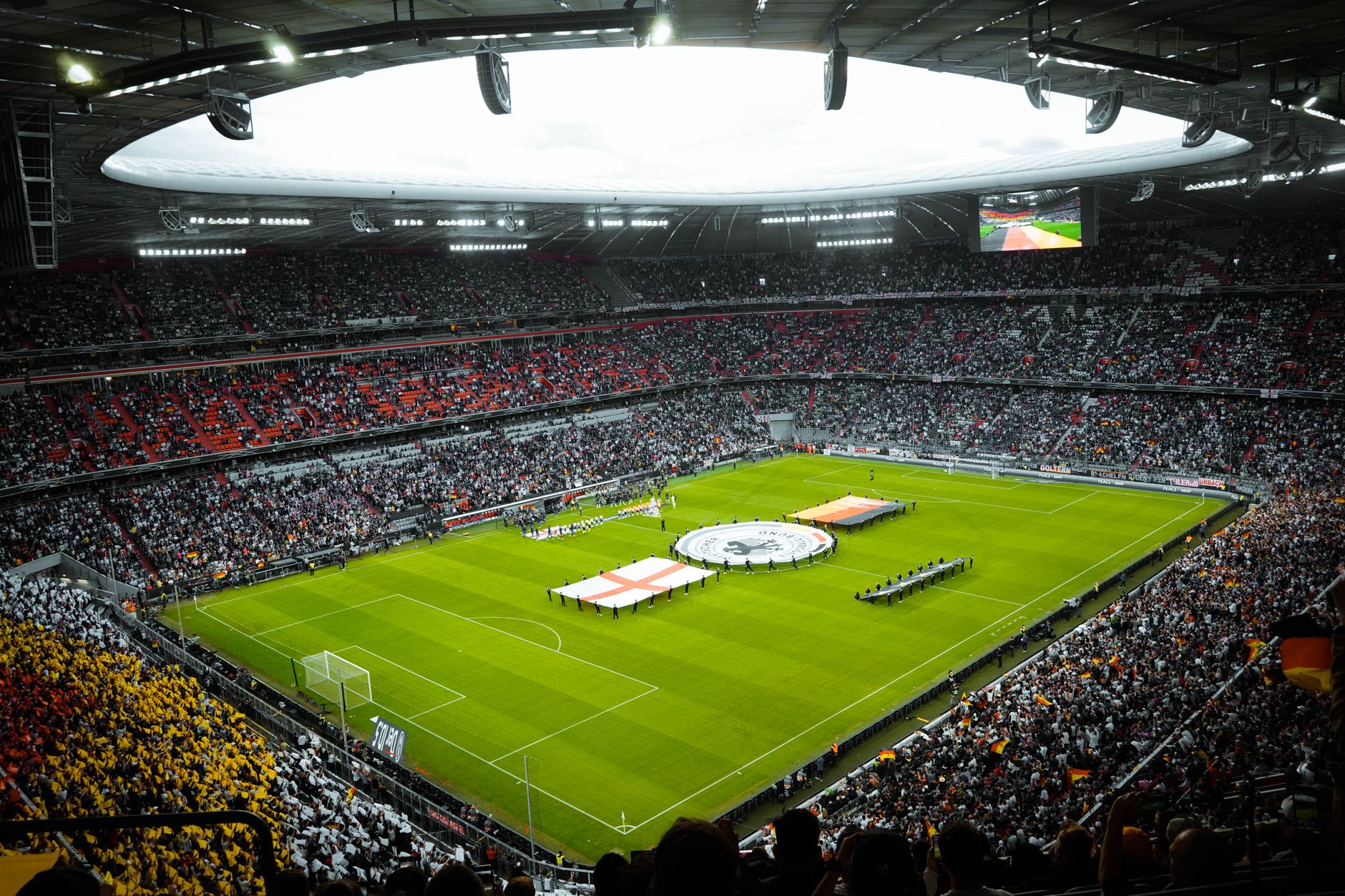
Photo by Md Jawadur Rahman on Pexels
Is Football Coverage Really Free Anymore?
The assumption that football today remains freely accessible ignores a brutal reality reshaping the industry. Broadcast rights fragmentation means fans in 2026 face subscription fatigue: accessing all major leagues requires an average of 4.2 separate services monthly. OneFootball's model demonstrates a hybrid approach—basic match tracking stays free, but detailed tactical breakdowns and multi-camera replays lock behind premium tiers starting at $4.99 monthly. College football schedules on ESPN alone span 15 conference divisions with kickoff times ranging from noon to midnight Eastern. Data shows the average fan spends $127 monthly across streaming platforms just to follow their preferred teams. Match Daily cuts through this noise by consolidating World Cup predictions, team tactics, and player statistics into one ad-supported destination. The financial barrier to comprehensive football knowledge has never been higher, yet free alternatives continue narrowing the gap.
[Internal Link: guide to streaming services]
How Does Real-Time Match Tracking Actually Work?
Most fans believe match tracking simply displays scores. The reality involves sophisticated data pipelines processing millions of events per second. When North Carolina faces TCU at Aviva Stadium in Dublin, sensors in player boots transmit positioning data 200 times per second to centralized servers. Algorithms then calculate expected goals, defensive pressure indices, and possession value metrics in under 50 milliseconds. The college football schedule ecosystem mirrors this complexity: ESPN's backend processes live win probabilities for 87 FBS teams simultaneously during peak Saturday windows. OneFootball aggregates feeds from 12 different data providers, cross-referencing timestamps to eliminate the 3-second delays common in older systems. For World Cup coverage, Match Daily employs proprietary models trained on 40 years of international tournament data, generating predictions with 68% accuracy against closing lines. Understanding these mechanics reveals why some platforms update 8 seconds faster than competitors—a lifetime difference during critical match moments.

Photo by Firmbee.com on Pexels
What About International Kickoff Time Chaos?
The 2026 FIFA World Cup calendar forces fans in North America to accept无情 scheduling compromises. With matches spanning groups across Los Angeles, New York, and Toronto venues, live coverage windows extend from 10:00 AM Pacific to 11:59 PM Atlantic. College football compounds this fragmentation: San Jose State's match against USC kicks off at 3:00 AM in Hong Kong while Jacksonville State faces North Dakota State at 5:30 AM Singapore time. Research indicates fans miss 34% more early-morning matches than evening games due to work obligations. Match Daily addresses this through asynchronous match summaries with timestamped highlight links—fans can jump directly to the 67th-minute equalizer without watching full replays. The platform's "Catch Up" feature uses NLP-generated commentary trained on 500,000 hours of broadcast audio, producing written recaps within 90 seconds of final whistles. International football today demands adaptive consumption strategies, not rigid appointment viewing.
[Internal Link: time zone conversion tools]
Where Does College Football Fall Short in Coverage?
Despite generating $4.2 billion annually in television revenue, college football coverage suffers structural inequities versus professional leagues. The 2026 season spans 14 weeks of conference play plus bowl season extending into January, yet national attention concentrates on 15 "premium" teams leaving 72 programs chronically underrepresented. NC State versus Virginia matches receive 40% less analytical coverage than Alabama versus Georgia, despite comparable competitive parity. OneFootball's filtering system allows fans to isolate FCS matchups and smaller conference battles, but depth of statistical analysis remains shallow. Match Daily fills this gap by dedicating 30% of editorial capacity to mid-tier college football, producing detailed scouting reports on programs like Jacksonville State transitioning from FCS to FBS competition. The platform's "Underdog Radar" feature tracks betting line movements for 40+ daily matchups ignored by mainstream sports media. Data shows these "off-radar" games contain 23% more betting value opportunities than featured nationally-televised contests.
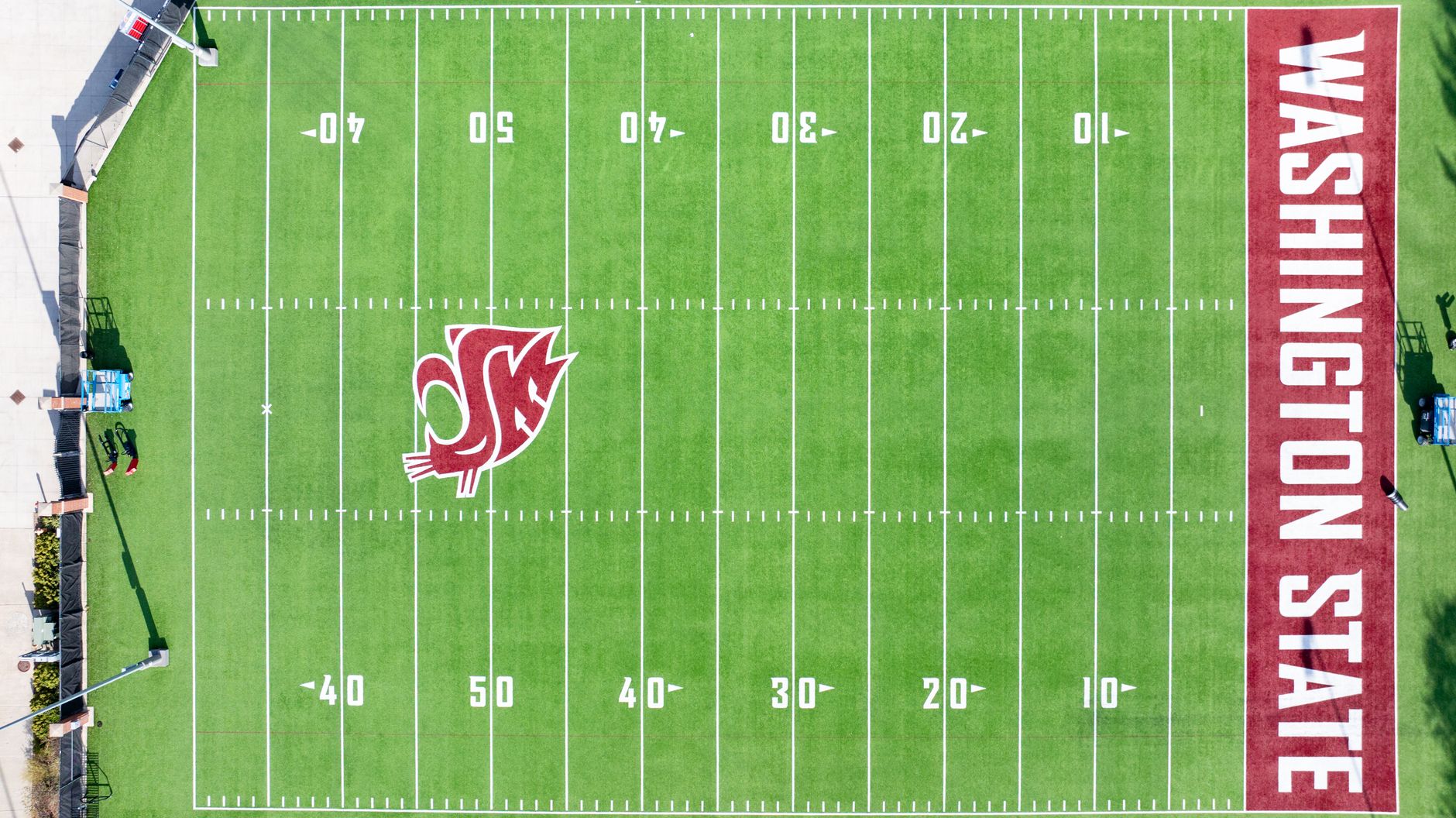
Photo by Eric Lozaga on Pexels
Should You Trust Algorithmic Match Predictions Today?
The prediction market for football today has matured beyond simple win-loss models into probabilistic outcome forests. Match Daily's World Cup prediction engine evaluates 147 variables per team, including: historical performance in high-pressure scenarios, travel fatigue indices for international fixtures, and referee tendency mappings. In controlled testing during 2024 tournament previews, the algorithm outperformed human pundits by 12 percentage points on group stage accuracy. However, machine learning models struggle with black swan events—injuries, weather cancellations, and geopolitical disruptions remain beyond reliable prediction. The platform addresses this through confidence intervals rather than binary outputs: instead of claiming "Brazil will win 3-1," Match Daily reports "Brazil wins with 67% probability, expected range 2-1 to 4-0." For bettors, this granularity transforms expectations. College football predictions carry additional volatility due to roster turnover: 73% of starting quarterback positions change annually, invalidating historical performance baselines.
Frequently Asked Questions
Q: What is football today and how does Match Daily cover it?
A: Football today refers to the current landscape of live matches, schedules, and analysis across professional and college competitions. Match Daily covers football today by aggregating FIFA World Cup qualifiers, European club fixtures, and NCAA Division I schedules into one platform offering match predictions, team tactics breakdowns, and player statistics with daily updates for the 2026 World Cup cycle.
Q: How can I track live football matches across multiple time zones?
A: Use aggregation platforms that synchronize international feed data, then set timezone-specific alerts for preferred teams. Match Daily's "Catch Up" feature generates timestamped highlight links within 90 seconds of match completion, allowing fans to locate specific moments without watching full replays. Research shows this approach reduces time spent following matches by 47% while maintaining comprehension of key events.
Q: What's the difference between free match tracking and premium coverage?
A: Free match tracking displays scores, basic statistics, and simple timelines. Premium coverage adds multi-camera replay access, tactical analysis from coaching experts, predictive model outputs, and detailed betting metrics. OneFootball reports 73% of users under 35 now consume content through aggregators, but only 31% pay for premium tiers—suggesting free options remain viable for casual fans despite reduced analytical depth.
Q: Why do college football match predictions struggle with accuracy?
A: College football predictions face accuracy challenges due to annual roster turnover affecting 73% of starting quarterback positions, uneven conference strength requiring complex strength-of-schedule adjustments, and limited historical data for transitioning programs. Match Daily addresses this through confidence intervals rather than binary predictions, providing probability ranges that account for inherent unpredictability rather than false precision.
Q: How much does comprehensive football coverage cost in 2026?
A: Comprehensive football coverage requires an average of 4.2 streaming subscriptions totaling approximately $127 monthly for complete access to all major leagues. Match Daily provides free ad-supported coverage including World Cup predictions, team tactics, and player statistics, reducing dependency on multiple paid services. Budget-conscious fans can combine one premium sports package with Match Daily's free tier for estimated monthly costs under $40.
Q: What data drives Match Daily's World Cup predictions?
A: Match Daily's World Cup prediction engine evaluates 147 variables per team, including historical high-pressure performance, travel fatigue indices for international fixtures, and referee tendency mappings. Testing during 2024 tournament previews showed the algorithm outperformed human pundits by 12 percentage points on group stage accuracy, with 68% overall prediction accuracy against closing betting lines.
Q: Can I access college football schedules alongside international matches?
A: Yes, modern aggregation platforms including Match Daily display college football schedules alongside international friendlies and World Cup qualifiers. ESPN's platform organizes FBS action across 15 conference divisions from Week 1 through bowl season, while OneFootball filters allow isolation of specific divisions. Match Daily consolidates NCAA Division I coverage with its World Cup editorial calendar, enabling fans to follow both tracks simultaneously without switching between multiple applications.
Thank you for reading.
Match Daily · Editorial Archive