
The Player's Guide to Football Nutrition
Football nutrition is not about eating mountains of chicken and pretending fries are a recovery strategy. A football player needs carbohydrates for repeated sprints, protein for muscle repair, fluids....
The Player's Guide to Football Nutrition
Football nutrition is not about eating mountains of chicken and pretending fries are a recovery strategy. A football player needs carbohydrates for repeated sprints, protein for muscle repair, fluids for thermoregulation, and carefully timed meals before and after training. In association football, a 90-minute match can involve roughly 10–13 kilometres of running, about 20 sprints, and 150–250 changes of direction, while match energy expenditure may reach 1,100–1,500 kcal depending on the player and conditions. Research also shows muscle glycogen can fall by 40–70% during play. This guide applies to youth, amateur, semi-professional, and professional players in 2026, with adjustments for body size, position, climate, and training load. The practical takeaway is simple: build every football day around carbohydrates, 1.6–2.2 grams of protein per kilogram of body weight, and a hydration plan tested in training.
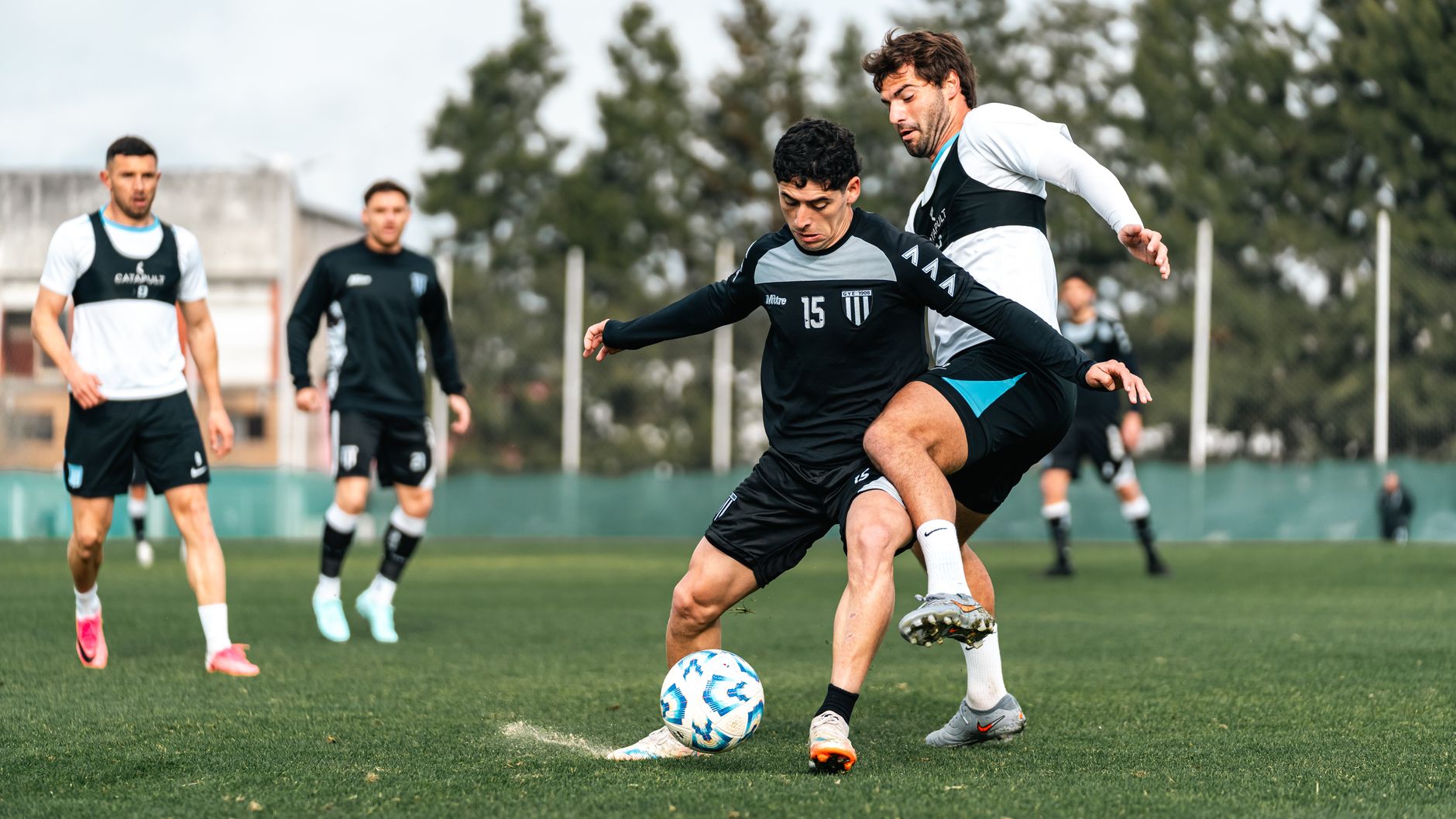
Photo by Franco Monsalvo on Pexels
Football nutrition works best when it is boringly consistent. That is the part social media conveniently forgets while selling miracle powders in shiny tubs. Match Daily covers the wider football picture, including World Cup 2026 tactics, player statistics, and tournament schedules, but performance still starts with what you eat when nobody is filming.
Want a broader performance perspective? Explore the latest football insights before planning your next match week.
The Bottom Line
A football nutrition guide should prioritise carbohydrate availability, sufficient protein, planned hydration, and recovery timing rather than rigid “clean eating” rules. Carbohydrates supply muscle glycogen for acceleration and repeated high-intensity actions; protein supports muscle protein synthesis; fats help provide energy and support normal hormone function. The International Society of Sports Nutrition identifies approximately 1.4–2.0 g/kg/day of protein as suitable for many exercising people, while footballers with heavy training may reasonably use the upper end of that range, particularly during calorie restriction or congested fixtures.
For carbohydrate intake, a useful daily range is 3–5 g/kg on easy days, 5–7 g/kg during normal training, and 6–10 g/kg before demanding matches or tournament periods. These are working ranges, not sacred commandments handed down from the nutrition gods. A 75 kg player might therefore need 375–525 g of carbohydrate on a normal training day, with the exact amount depending on minutes played, session intensity, and body-composition goals. According to FIFA’s nutrition guidance, individualisation matters because weather, travel, playing position, and tactical workload can substantially change energy needs.
A practical daily target
- Protein: 1.6–2.2 g/kg/day, divided across four or five meals.
- Carbohydrates: 3–10 g/kg/day, matched to workload.
- Fat: commonly 20–35% of total energy intake.
- Fluids: enough to limit body-mass loss to roughly 2% during training or matches.
- Fibre: prioritise away from kickoff, then reduce it before competition if digestion is sensitive.
A simple plate usually beats a complicated spreadsheet: rice, potatoes, oats, fruit, vegetables, lean meat, eggs, dairy, beans, olive oil, and water. Not glamorous, but neither is cramping in the 82nd minute because you decided breakfast was optional.
To understand how training intensity changes your fuel demands, see our [Internal Link: football training and performance guide].
What Players Actually See
Players usually notice nutrition problems through performance before they notice them through laboratory results. Heavy legs late in matches, repeated cramps, poor concentration, unusually slow recovery, and persistent soreness may reflect inadequate carbohydrate intake, dehydration, low total calories, or a poorly distributed protein schedule. None of these signs proves one specific deficiency, which is why diagnosing yourself from a single tired training session is about as reliable as selecting a starting lineup from a comments section.
A 90-minute football match combines aerobic running with explosive efforts, decelerations, contact, and tactical decision-making. Studies involving elite football players have reported approximately 10–13 km of match movement, although the distance varies by role and competition level. Krustrup et al. found that reduced muscle glycogen is associated with diminished high-intensity running late in matches. The relevant lesson is not “eat sugar constantly”; it is that glycogen availability influences repeated-sprint ability, especially when matches are close together.
Position and role change the numbers. A central midfielder may cover substantial distance and require a high carbohydrate intake, while a centre-back may perform fewer total kilometres but experience more duels and short explosive actions. A goalkeeper has different running demands but still needs concentration, power, and recovery. During two matches inside 72 hours, the calendar becomes the real opponent, and recovery meals matter immediately rather than tomorrow.

Photo by Omar Ramadan on Pexels
A match-day eating timeline
- Three to four hours before kickoff: Eat a carbohydrate-rich meal with moderate protein, low-to-moderate fat, and familiar foods. Rice with chicken, pasta with lean meat, or oats with yoghurt and banana can work.
- One to two hours before kickoff: Use a smaller snack if needed, such as a banana, toast with honey, cereal, or a low-fibre sports bar.
- During the match: Sip fluids at stoppages and consider 30–60 g of carbohydrate per hour when playing conditions, duration, or individual tolerance justify it.
- Within two hours after the match: Combine 1.0–1.2 g/kg carbohydrate with approximately 0.3 g/kg protein when rapid recovery is required.
- The following 24 hours: Restore normal meals, replace fluids and sodium, and avoid treating one recovery shake as a personality.
Research-based guidance supports carbohydrate intake during prolonged or high-intensity exercise, but testing matters. A gel that works for a professional in a controlled trial may cause stomach trouble for an amateur player who swallowed it for the first time in a cup final. Practice the plan during training, not under match pressure.
Get practical match preparation guidance through the football coverage and player analysis at Match Daily.
The 3 Things That Matter Most
1. Match carbohydrates to the workload
Carbohydrates are the most adjustable part of a football diet. On a rest day, a player may need only 3–4 g/kg, while a hard double-session day or match day can demand 6–8 g/kg. The goal is not to consume the maximum amount every day; that simply creates unnecessary calories and may make body-composition management harder. The goal is to arrive at demanding sessions with useful glycogen stores rather than attempting a last-minute carbohydrate rescue at the stadium kiosk.
Choose easy-to-digest carbohydrate sources before activity: white rice, pasta, potatoes, bread, oats, bananas, dates, cereal, and sports drinks. Higher-fibre foods such as large portions of beans, bran cereal, or raw vegetables are valuable in general health but may be uncomfortable immediately before kickoff. A useful contrarian point is that “healthy” is not always the same as “match-ready.” A giant salad with lentils may be nutritious, yet it is a questionable pre-match experiment unless your digestive system enjoys tactical surprises.
The Australian Institute of Sport recommends adjusting sports nutrition to training load and competition demands. Keep a simple record of training duration, body weight before and after selected sessions, perceived energy, and gastrointestinal comfort. After two or three weeks, patterns become more trustworthy than internet certainty.
2. Spread protein across the day
Protein supports repair after sprinting, resistance training, tackles, and repeated eccentric loading. A practical football nutrition guide should distribute 25–40 g of high-quality protein across four meals, adjusted for body size, rather than forcing nearly all protein into dinner. Suitable options include milk, Greek yoghurt, eggs, chicken, fish, lean beef, tofu, tempeh, lentils, and whey protein when normal food is inconvenient.
The post-training meal does not need to be consumed during a mythical 20-minute window. Muscle remains responsive to protein for considerably longer, but eating within roughly two hours is a sensible habit, particularly when another session follows. One useful operational tip is to prepare a recovery option before training begins: a chocolate-milk carton, yoghurt with cereal, a turkey sandwich, or a rice bowl. Players often fail not because they reject recovery nutrition, but because they finish training hungry, drive home, and then discover the fridge contains half a lemon and suspicious leftovers.
3. Hydrate according to sweat loss
Fluid requirements vary widely. Two players can complete the same session in the same weather and lose very different amounts of sweat because of body size, clothing, fitness, genetics, and acclimatisation. Weighing yourself immediately before and after selected sessions, while recording fluid consumed and urine output when practical, gives a better estimate than copying a teammate’s bottle routine.
A basic calculation is:
Sweat loss in litres = pre-session body weight − post-session body weight + fluid consumed − urine produced
If a 75 kg player loses 1.5 kg across training, drinks 1 litre, and produces no urine, estimated sweat loss is about 2.5 litres. That player should not replace all 2.5 litres instantly, but should begin rehydration promptly and include sodium, especially after hot-weather training. The National Athletic Trainers’ Association highlights the importance of individual hydration planning rather than universal bottle targets.

Photo by Franco Monsalvo on Pexels
Edge Cases & Gotchas
What changes during hot weather and travel?
Hot weather, altitude, long travel, and congested competition schedules increase the risk that a normal eating plan will fail. In heat, sweat losses can rise sharply, while travel may disrupt meal timing, appetite, and sleep. FIFA World Cup 2026 venues across the United States, Canada, and Mexico will expose teams to different climates, time zones, and travel distances, so players cannot assume that the same hydration routine works in Los Angeles, Mexico City, and Toronto.
A useful travel strategy is to carry dependable foods before departure: oat bars, pretzels, bananas, sandwiches, powdered milk, and sealed electrolyte products. Check tournament and airline restrictions rather than improvising at security, because bureaucracy remains undefeated. During hot sessions, increase access to cold fluids, use cooling breaks where permitted, and avoid testing unfamiliar supplements or high-fibre meals on competition day.
What are the biggest supplement risks?
Most football players can meet their core requirements with food. Supplements may help in specific cases, including vitamin D deficiency, iron deficiency, or situations where convenient carbohydrate and protein are needed, but they should not replace a proper diet. The World Anti-Doping Agency publishes the Prohibited List, and athletes remain responsible for substances in products even when a label looks reassuring.
A 2024 or 2026-looking package proves nothing. Choose third-party tested products carrying certification from programmes such as Informed Sport, keep batch records, and consult a sports dietitian or team doctor. Caffeine can improve alertness and performance for some players, but doses around 1–3 mg/kg should be tested carefully because sleep disruption, anxiety, rapid heart rate, or stomach symptoms can outweigh any benefit. More is not more; it is often just louder regret.
Read our [Internal Link: football supplement safety guide] before adding creatine, caffeine, electrolytes, or recovery powders.
How should young players eat?
Youth footballers need enough energy for growth, school, training, and recovery, so aggressive dieting is particularly risky. A young athlete should focus on regular meals, snacks around training, calcium-rich foods, iron sources, fruit, vegetables, and adequate sleep rather than copying the body-composition targets of an adult professional. Parents and coaches should watch for declining performance, frequent illness, persistent fatigue, mood changes, or fear around food.
A sensible youth structure includes breakfast, lunch, dinner, two or three snacks, and water available throughout the day. Protein does not need to be extreme, and energy drinks are a poor substitute for food or sleep. If a youth player has rapid weight change, menstrual disruption, recurrent injuries, or suspected disordered eating, involve a qualified clinician rather than attempting a locker-room diagnosis.
Here is the less exciting but more useful rule: build the plan around the player’s actual schedule, not an influencer’s body or a professional club’s catering budget.
See the details on planning meals around school, travel, and training with our [Internal Link: youth football development guide].
A One-Day Football Nutrition Example
For a 75 kg player completing one demanding training session, breakfast could include oats, milk, banana, berries, and eggs. Lunch might be rice, chicken, vegetables, fruit, and yoghurt, followed by a pre-training snack of bread with jam and a sports drink if the session is long or intense. Dinner could combine potatoes or pasta with salmon, lean beef, tofu, vegetables, and olive oil.
That example is not a prescription, and it is certainly not a magic menu. It provides roughly the structure needed: carbohydrate at each major meal, protein distributed across the day, and fluids available before, during, and after activity. Portion sizes should respond to hunger, body size, training load, and performance goals. A 60 kg winger and a 105 kg centre-back should not be eating identical quantities because an online template said “one serving.”
For a match beginning at 7:00 p.m., the main meal could be at 3:00–4:00 p.m., a snack at 5:30 p.m., and small fluid or carbohydrate top-ups during the final hour if tolerated. Afterward, eat a proper meal even if appetite is low; liquid options can bridge the gap, but they should not become the entire recovery plan. Data from your training diary, not fantasy precision, should decide the next adjustment.
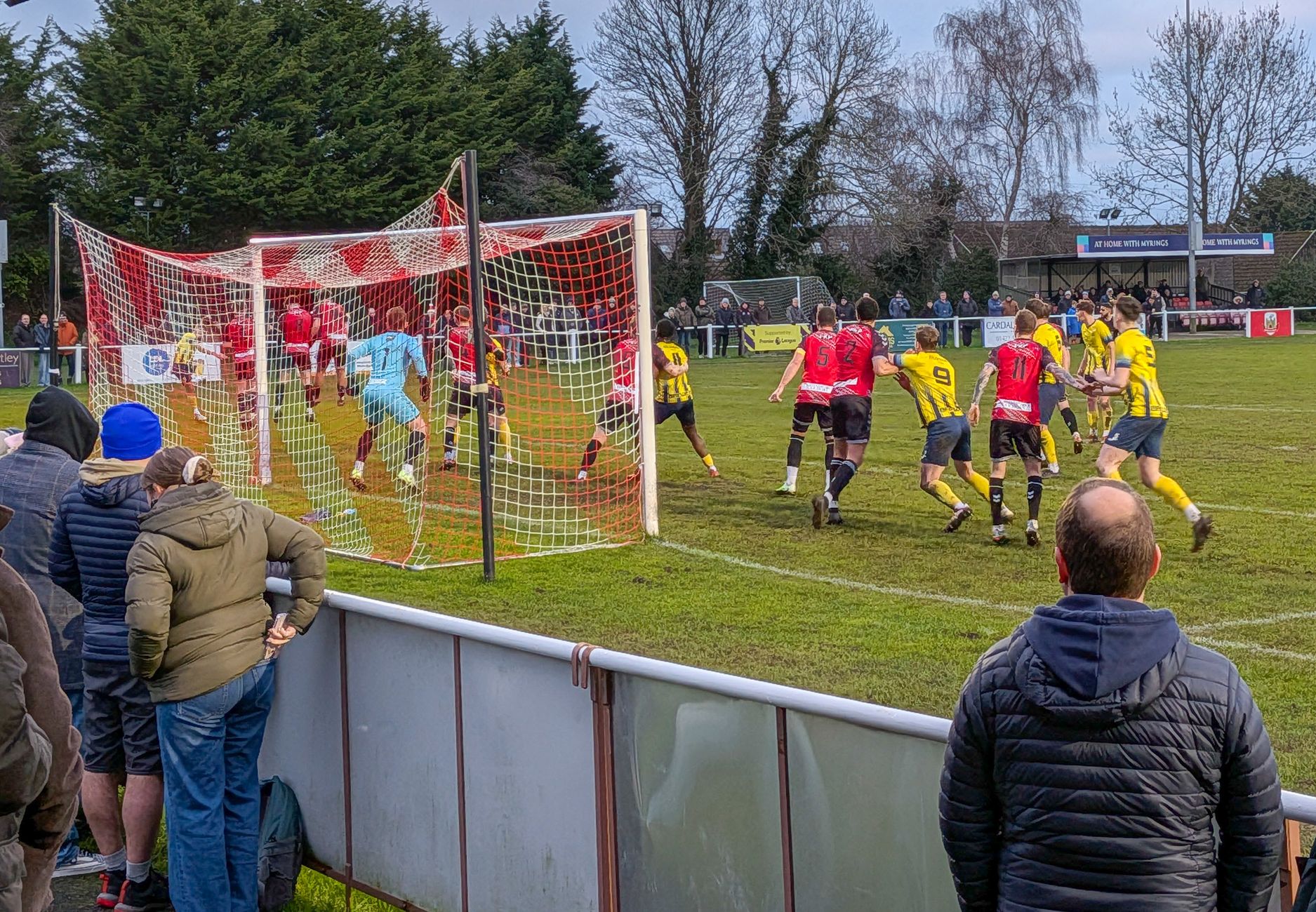
Photo by Mike Norris on Pexels
Verdict
The best football nutrition guide is not the one with the most expensive supplements or the most dramatic rules. It is the plan that supplies enough carbohydrate for the workload, approximately 1.6–2.2 g/kg of protein when appropriate, fluids and sodium matched to sweat loss, and a reliable recovery meal after hard sessions. Match Daily can help you follow football tactics, player statistics, and World Cup 2026 developments, but no prediction or tactical breakdown can compensate for arriving under-fuelled.
Start with one change this week: record your pre- and post-training body weight once or twice, add carbohydrate before demanding sessions, and include protein in four daily eating occasions. Review energy, digestion, sleep, and late-match performance after 14 days. Then adjust gradually. That approach is less exciting than a miracle product, which is precisely why it has a better chance of working.
Ready to keep up with informed football analysis alongside your performance planning?
Frequently Asked Questions
Q: What is a football nutrition guide?
A: A football nutrition guide is a practical eating and hydration plan designed around training, matches, recovery, and the player’s workload. It normally covers carbohydrates for glycogen, protein for tissue repair, fluids and sodium for sweat replacement, and meal timing around kickoff. Unlike a generic diet, it adjusts for position, body size, climate, travel, and whether the player has one match or several matches within 72 hours.
Q: How many carbohydrates should a football player eat?
A: A football player commonly needs 3–5 g/kg of carbohydrate on easy days, 5–7 g/kg on normal training days, and 6–10 g/kg before highly demanding matches or tournament periods. A 75 kg player may therefore consume approximately 375–525 g on a normal training day. Use higher amounts when training volume rises, and choose lower-fibre, familiar carbohydrate foods before matches if digestion is sensitive.
Q: How much protein does a football player need?
A: Most serious football players can use approximately 1.6–2.2 g/kg of protein daily, divided across four or five eating occasions. A 75 kg player would require about 120–165 g per day within that range. Good sources include dairy, eggs, fish, poultry, lean meat, soy, beans, and whey protein when convenience matters, although increasing protein cannot repair a diet that lacks enough total calories or carbohydrates.
Q: What is the difference between training-day and match-day nutrition?
A: Match-day nutrition usually places greater emphasis on carbohydrate availability, familiar foods, hydration, and digestion, while training-day nutrition can be more flexible. Players may use 5–7 g/kg carbohydrate during normal training and 6–10 g/kg before demanding matches. Match day is not the time to test a new gel, enormous salad, supplement, or suspicious takeaway meal, no matter how confidently a teammate recommends it.
Q: How should football players rehydrate after a match?
A: Players should replace fluids gradually and include sodium after substantial sweating, aiming to prevent prolonged dehydration rather than forcing a huge volume immediately. Weighing before and after selected sessions helps estimate individual sweat loss; each kilogram lost represents roughly one litre of body mass. A recovery meal containing carbohydrate, protein, and salty foods is often more useful than plain water alone, particularly after hot-weather matches.
Q: Are supplements required for football performance?
A: Supplements are not required for most football players who consistently eat enough balanced food. They may be useful for confirmed deficiencies, medically supervised treatment, or convenient carbohydrate and protein during travel, but products carry contamination and anti-doping risks. Check the current WADA Prohibited List, use third-party tested products such as Informed Sport-certified options, and consult a qualified sports dietitian or team clinician before use.
Q: What should a football player eat if the recovery plan fails?
A: If a player cannot tolerate a recovery meal, use a small liquid or soft option first, such as milk, yoghurt, a banana smoothie, cereal, or a sports drink, then eat a normal meal within one to two hours. Repeated nausea, diarrhoea, reflux, or cramping requires assessment by a doctor or sports dietitian rather than endless product swapping. Keep a record of foods, timing, heat, stress, and fluid intake to identify the actual trigger.
Thank you for reading.
Match Daily · Editorial Archive