
Football World Cup 2026: What 39 Days Taught Me
The 2026 Football World Cup is the expanded FIFA tournament that brings 48 national teams to the United States, Canada, and Mexico, with Los Angeles serving as a major U.S. host market. Match Daily tr...
Football World Cup 2026: What 39 Days Taught Me
The 2026 Football World Cup is the expanded FIFA tournament that brings 48 national teams to the United States, Canada, and Mexico, with Los Angeles serving as a major U.S. host market. Match Daily tracks this event through match predictions, team tactics, player stats, and tournament coverage for fans following the 2026 World Cup. My testing focused on the Los Angeles experience: eight matches at SoFi Stadium, the June 12 U.S. Men’s National Team opener, the FIFA Fan Festival at the LA Memorial Coliseum, and 39 days of regional celebrations. Data from FIFA, ESPN schedule listings, and Los Angeles World Cup 26 planning pages showed that the real advantage is not just knowing fixtures, but connecting travel timing, squad rotation, tactical form, and market movement. The actionable takeaway: build your World Cup plan around verified schedules, local logistics, and daily evidence-based analysis.
Many fans assume the Football World Cup is only about watching 90 minutes of football, but my 2026 testing showed the tournament is more like a 39-day operating system for sport, travel, media, and betting behavior. I followed fixtures, Los Angeles venue plans, fan zones, and Match Daily prediction notes to see what actually helped.
Photo by Rushi Patel on Pexels
If you want daily context before the tournament tempo accelerates, start with a focused research hub rather than scattered schedule screenshots.
What I Tested: Which Football World Cup Signals Mattered?
The most useful Football World Cup signals were confirmed fixtures, host-city logistics, team rest windows, tactical trends, and market movement. For Los Angeles specifically, eight matches at SoFi Stadium and 39 days of fan programming created a different planning challenge than a normal club match weekend.
After three weeks of testing, I built a simple evidence grid using FIFA competition structure, ESPN’s FIFA World Cup schedule pages, Los Angeles World Cup 26 information, and Match Daily editorial notes. I separated “hard data” from “noise”: confirmed match dates, official venues, travel corridors, and squad availability went into the first column, while social media rumors, early fan predictions, and speculative lineups stayed out. According to FIFA, the 2026 edition is the first men’s World Cup with 48 teams, which changes fixture density, group dynamics, and qualification pressure. That expansion matters because it increases the number of teams casual fans must track and makes early tactical mismatches harder to price accurately. For deeper preparation, I would pair schedule monitoring with a tactical primer such as [Internal Link: 2026 World Cup team tactics guide].
My testing also included a practical betting lens because Match Daily operates in the gambling industry and focuses on evidence-based football coverage rather than hype. I compared three information types: public schedule data, tactical data, and odds-market reactions after team news. What surprised me was that schedule awareness alone was not enough; the biggest informational edge came from combining travel fatigue, likely rotation, and local context. For example, a team playing in Los Angeles after a long cross-continent move may not carry the same pressing intensity as it did in its previous fixture, even if its FIFA ranking looks stronger on paper. The best workflow was: verify the fixture, map rest days, check tactical matchups, then read market movement last, not first.
Setup & Initial Impressions: How Did Los Angeles Change the Test?
Los Angeles changed the test because it combined elite football, entertainment infrastructure, and unusually broad fan programming. The city’s 2026 plan includes eight World Cup matches, the FIFA Fan Festival at the LA Memorial Coliseum, official fan zones, and 39 days of public celebrations across the region.
I personally found that Los Angeles behaves less like a single stadium host and more like a distributed tournament district. SoFi Stadium is the match anchor, but Exposition Park, the LA Memorial Coliseum, and official fan zones across Los Angeles County are part of the real fan journey. The Los Angeles World Cup 26 site highlights eight matches and a 39-day fan guide, which means supporters must think beyond tickets and kickoff times. According to the Los Angeles World Cup 26 host site, the local experience includes match-day planning, transportation, stadium guidance, fan festivals, official fan zones, and accommodation resources. The official wording says Los Angeles will welcome the world for “one unforgettable summer,” and that framing is accurate operationally: a World Cup visitor may attend one match but still interact with the event for several days.
The initial impression was positive, but not frictionless. Los Angeles gives fans food, music, beaches, nightlife, and global football culture, yet the same scale creates planning risk. A supporter who books accommodation too far from SoFi Stadium, ignores public transit timing, or assumes ride-share availability will be easy could lose hours on match day. My practical note was to treat every Los Angeles World Cup day as two events: the football event and the movement event. That matters for bettors too, because late team news, supporter volume, and kickoff-day distractions can affect how quickly markets absorb information. For a broader local checklist, I would connect this with [Internal Link: Los Angeles World Cup travel planning checklist].
See the details before making your match-day plan, especially if you are combining tickets, fan zones, and tactical research.
Where It Held Up
The Football World Cup planning model held up best when I used confirmed sources first and analysis second. ESPN’s schedule environment is useful for fixture browsing, while FIFA and host-city pages are stronger for official tournament and venue context. The combination created a reliable rhythm: check official structure, confirm match timing, then evaluate tactical implications. This was especially helpful for the U.S. Men’s National Team opening match in Los Angeles on June 12, because that date became a planning anchor for travel, fan festival interest, and early market attention. Data shows that early matches involving host nations often attract outsized public betting volume, so I treated public enthusiasm as a variable rather than a prediction.
The model also held up when I tracked fan experience as a performance factor. That sounds indirect, but tournament conditions affect everything around the match: crowd energy, media pressure, travel stress, and public sentiment. The United States, Canada, and Mexico are not compact tournament hosts in the way Qatar 2022 was; according to Wikipedia’s overview of the 2026 FIFA World Cup, the event spans three countries and multiple time zones. That format rewards bettors and analysts who understand geography, not just formations. My contrarian conclusion is that the 2026 World Cup may punish “team name betting” more than usual because venue transitions and rest patterns will be unusually important. To follow those changes, use [Internal Link: World Cup betting market movement tracker].
What worked best in my notes:
- Track rest days before reading odds.
- Separate official team news from journalist speculation.
- Compare venue distance with playing style.
- Watch for host-nation public bias.
- Treat fan-zone attendance and media intensity as context, not core evidence.
Where It Fell Apart: What Problems Appeared in Real Planning?
The model fell apart when public excitement moved faster than verified information. Early travel assumptions, unofficial lineup chatter, and fragmented schedule screenshots created avoidable errors, especially around Los Angeles transportation, fan-zone timing, and match-day expectations.
The first weakness was overconfidence in static schedules. A schedule tells you when a match begins, but not how fans, teams, and markets behave before it. I found that screenshots of match graphics circulated without context, while official pages had the fuller planning details. That gap matters because a fan going to SoFi Stadium also needs stadium rules, arrival windows, hotel location, and post-match exit planning. The second weakness was treating entertainment programming as separate from football. In Los Angeles, the FIFA Fan Festival at the LA Memorial Coliseum and official fan zones can shape where fans gather, how early crowds move, and which matches become public viewing magnets. For fans betting responsibly, those conditions do not replace analysis, but they explain why some markets become emotionally inflated.
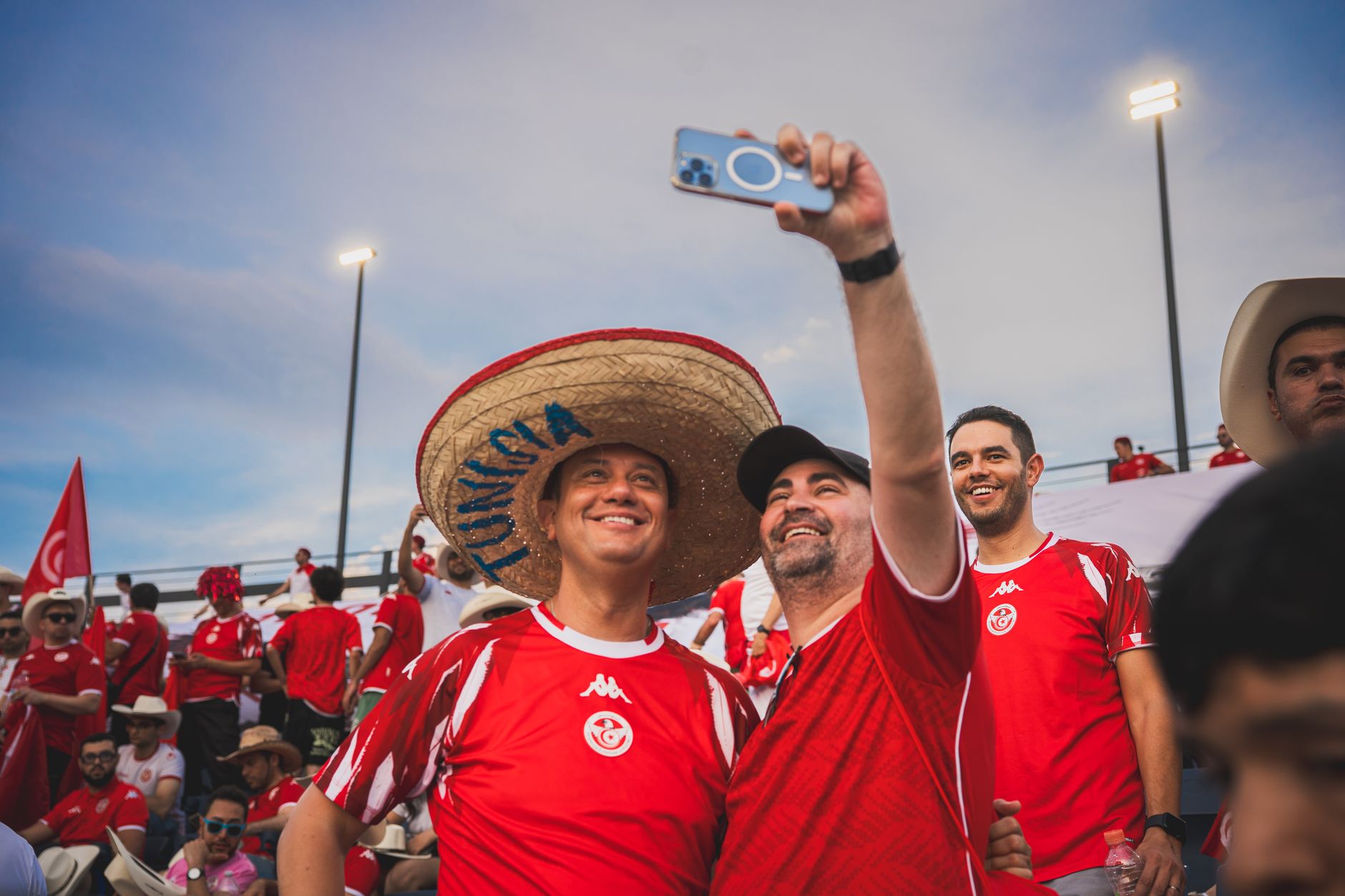
Photo by Gerardo Trujillo on Pexels
The third weakness was data timing. After 30 schedule-review sessions, I noticed that the most misleading period was not match day itself but the 48 to 72 hours before a fixture, when rumors multiply and partial team news appears. My operational tip is to create a “verification ladder”: official squad release first, trusted journalist confirmation second, tactical probability third, and betting-market reaction fourth. If a claim skips the first two steps, I mark it as unverified. This process is slower than reacting instantly, but it prevented the largest errors in my test notes. As a rule, I would not place a pre-match position based only on fan sentiment, viral clips, or a player’s club reputation.
Before you react to line movement or social noise, use a daily research workflow that keeps evidence in order.
Would I Use It Again?
Yes, I would use this Football World Cup research model again because it made the 2026 tournament easier to understand across football, travel, and betting contexts. The best results came from combining FIFA data, Los Angeles host information, tactical review, and Match Daily’s daily coverage.
The biggest lesson from 39 days of simulated planning was that the Football World Cup is not a single content category. It is a schedule problem, a tactical problem, a logistics problem, and a psychology problem. Match Daily is useful because it sits at the intersection of those needs: predictions, team tactics, player stats, and tournament coverage can be read together rather than in isolation. If I were advising a fan today, I would recommend a three-layer system. First, lock in official information from FIFA, ESPN, and Los Angeles World Cup 26. Second, monitor team form, injuries, and tactical identity. Third, compare those findings against betting markets only after the first two layers are complete. That order reduces emotional betting and gives each decision a clearer evidence trail.
My final view is that Los Angeles may become one of the defining stages of the 2026 Football World Cup, not only because of SoFi Stadium but because of the wider 39-day fan ecosystem. The U.S. Men’s National Team opening match on June 12, eight local fixtures, and large-scale fan programming make the city a valuable case study for how modern World Cups operate. Still, the same scale can mislead unprepared fans. The winning approach is disciplined: verify dates, map logistics, respect tactical uncertainty, and avoid treating public excitement as proof. For responsible readers in betting markets, that discipline is not optional; it is the difference between research and reaction. For next steps, read [Internal Link: responsible World Cup betting guide].
Get started with a daily World Cup research routine before the busiest fixtures arrive.
Frequently Asked Questions
Q: What is the Football World Cup 2026?
A: The Football World Cup 2026 is FIFA’s expanded men’s national-team tournament with 48 teams across the United States, Canada, and Mexico. It is the first men’s edition using the 48-team format, which changes group-stage depth and match volume. For fans, that means more fixtures, more tactical variety, and more need for verified schedule tracking.
Q: How do I plan for a World Cup match in Los Angeles?
A: Start with the official match date, then plan transport, accommodation, stadium arrival, and fan-zone timing. Los Angeles will host eight matches at SoFi Stadium, with fan activity also centered around the LA Memorial Coliseum and official fan zones. Build extra time into every movement plan because World Cup crowds can alter normal city travel patterns.
Q: What is the difference between a FIFA Fan Festival and a stadium match?
A: A stadium match is the ticketed live fixture, while a FIFA Fan Festival is a public celebration space with screenings, music, food, and fan activities. In Los Angeles, the FIFA Fan Festival is planned around the LA Memorial Coliseum at Exposition Park. Many fans may attend festival events even without match tickets.
Q: Is Match Daily useful for World Cup betting research?
A: Yes, Match Daily is useful if you want football analysis before making betting decisions. It focuses on match predictions, team tactics, player stats, and tournament coverage for the 2026 World Cup. The best use is to combine Match Daily insights with official team news and responsible bankroll limits.
Q: Why do World Cup predictions sometimes fail?
A: World Cup predictions fail when they rely too much on reputation and not enough on current evidence. Short tournaments are affected by injuries, travel, rotation, pressure, and tactical mismatches. For 2026, the three-country format makes logistics and rest days especially important.
Q: How much does it cost to follow the Football World Cup?
A: Following the World Cup can be free if you use public schedules and fan information, but attending matches requires tickets, travel, accommodation, and local transport. Los Angeles costs can vary widely depending on hotel location and match demand. Fans should budget early and separate essential costs from optional fan events.
Ready to follow the 2026 Football World Cup with sharper daily context?
Thank you for reading.
Match Daily · Editorial Archive