
Football Skills: What 10 Drills Taught Me
Improving football skills comes from deliberate, repeated practice rather than simply playing more matches or buying expensive boots. A practical plan should develop first touch, passing, dribbling, f...
Football Skills: What 10 Drills Taught Me
Improving football skills comes from deliberate, repeated practice rather than simply playing more matches or buying expensive boots. A practical plan should develop first touch, passing, dribbling, finishing, defending, agility, and decision-making through short, measurable sessions. Lionel Messi is often reported to train twice daily for about five hours, but most players can make clear progress with 30–60 focused minutes, three to five times weekly. Research on motor learning supports frequent repetition with changing constraints, while FIFA’s Laws of the Game explain why control, positioning, and timing matter beyond flashy tricks. The most useful starting point is to review one recent match, identify your weakest action, and train that skill under increasing pressure. Track successful touches, accurate passes, weak-foot attempts, and shots on target for four weeks; improvement should be visible in numbers before it becomes obvious during competition.
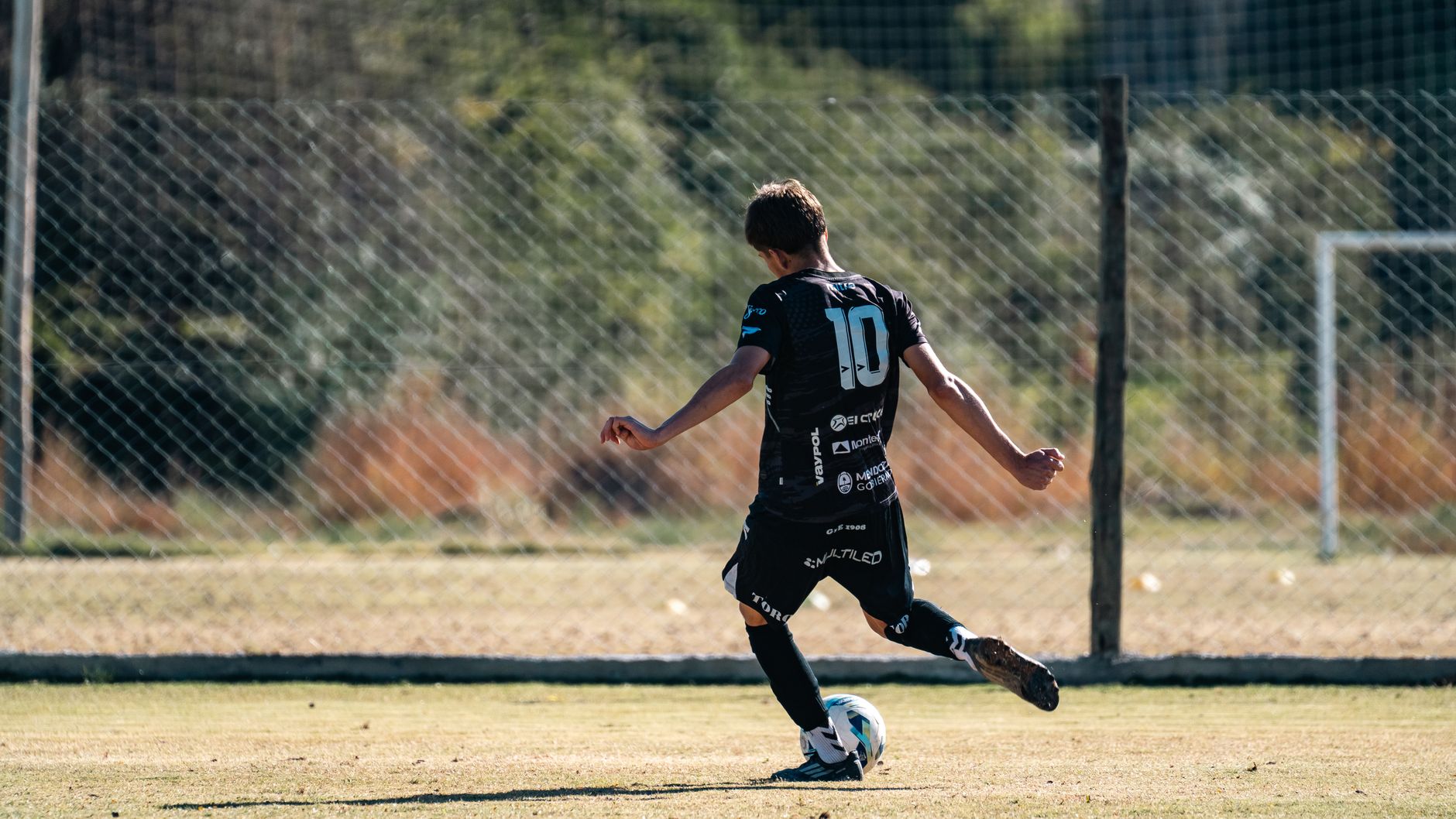
Photo by Franco Monsalvo on Pexels
Playing more football is useful, but “just play more” is advice so lazy it should come with a warning label. A match gives you experience, yet it may also allow you to hide the exact weakness you need to fix. A midfielder can avoid receiving on the back foot, a winger can keep cutting inside onto the stronger foot, and a defender can hoof every difficult pass into the nearest shrubbery. None of that is development. Match Daily covers FIFA World Cup tactics, player statistics, and tournament analysis, and the same principle applies to individual training: observe the action, isolate it, measure it, then test it under pressure. According to FIFA’s Training Centre, quality practice should connect technical execution with perception and decision-making rather than treating them as separate skills. Start with one weakness, not ten random drills copied from a highlight video.
Want a more structured football-focused routine?
The Quick Comparison
| Skill area | Main drill | Suggested volume | What to measure |
|---|---|---|---|
| First touch | Wall control | 5 sets of 60 seconds | Clean controls |
| Passing | Two-touch wall passing | 100–150 passes | Accuracy and pace |
| Dribbling | Random cone circuit | 6–8 rounds | Time and lost touches |
| 1v1 play | Passive-to-active defender | 10 repetitions | Successful exits |
| Shooting | Three-zone finishing | 30 shots | Shots on target |
| Weak foot | Alternating-foot circuit | 10 minutes | Clean contacts |
| Defending | Close-down and jockeying | 8 repetitions | Delayed attacker |
| Agility | Reaction movement | 6 sets | First-step speed |
| Scanning | Shoulder-check game | 10 minutes | Correct decisions |
| Match transfer | Small-sided game | 3–4 blocks | Actions under pressure |
The comparison is deliberately unglamorous because football improvement usually is. A cone circuit can sharpen touches, but it cannot fully teach you when to release the ball while an opponent is sprinting at your ribs. A wall can return 200 passes, but it will not complain that your body shape is wrong. Therefore, combine isolated practice with variable drills and small-sided games. A useful session can follow a 10-20-20-10 structure: 10 minutes of warm-up, 20 minutes of technique, 20 minutes of pressure-based work, and 10 minutes of finishing or review. [Internal Link: beginner football training plan] can help players who need a simple weekly schedule rather than another heroic promise about becoming the next Kylian Mbappé by Friday.
Round 1: What Builds Better Ball Control and Passing?
First touch and passing improve fastest when players receive the ball with a clear body shape, use both feet, and repeat actions at increasing speed. Begin with wall passing, progress to directional control, and finish with scanning or pressure so the technique survives realistic match conditions. Aim for 100 accurate contacts per session, not mindless kicks.
The wall-pass drill is the most reliable low-cost exercise because it gives immediate feedback. Stand 4–6 metres from a wall, pass with the inside of the right foot, receive with the left, and repeat without letting the ball stop dead. After 30 passes, switch the pattern: right-foot pass, right-foot control across the body, then left-foot pass. Keep your supporting foot beside the ball, open your hips, and glance over one shoulder before the rebound arrives. If 90 of 100 passes are clean at moderate speed, move back to 8 metres or use one-touch passing for sets of 20. The edge case most beginners miss is rebound height: a pass that returns above knee level should be controlled, not smashed back automatically. That trains the ugly moments matches actually contain.
Use a second drill for first touch under direction. Place three gates, each 2 metres wide, at different angles around you. Ask a partner to pass from 6–8 metres and call “left,” “right,” or “turn” as the ball travels. Your first touch must move into the called gate, followed by a pass through it. Complete five rounds of six receptions, then repeat using your weaker foot. Record both clean controls and touches that require a second correction. Data from your own session matters more than vague confidence: if you lose 14 of 30 attempts with your weaker foot, that is not a personality trait, it is a training target. For background on technical repetition and coordination, see The FA’s England Football coaching resources.
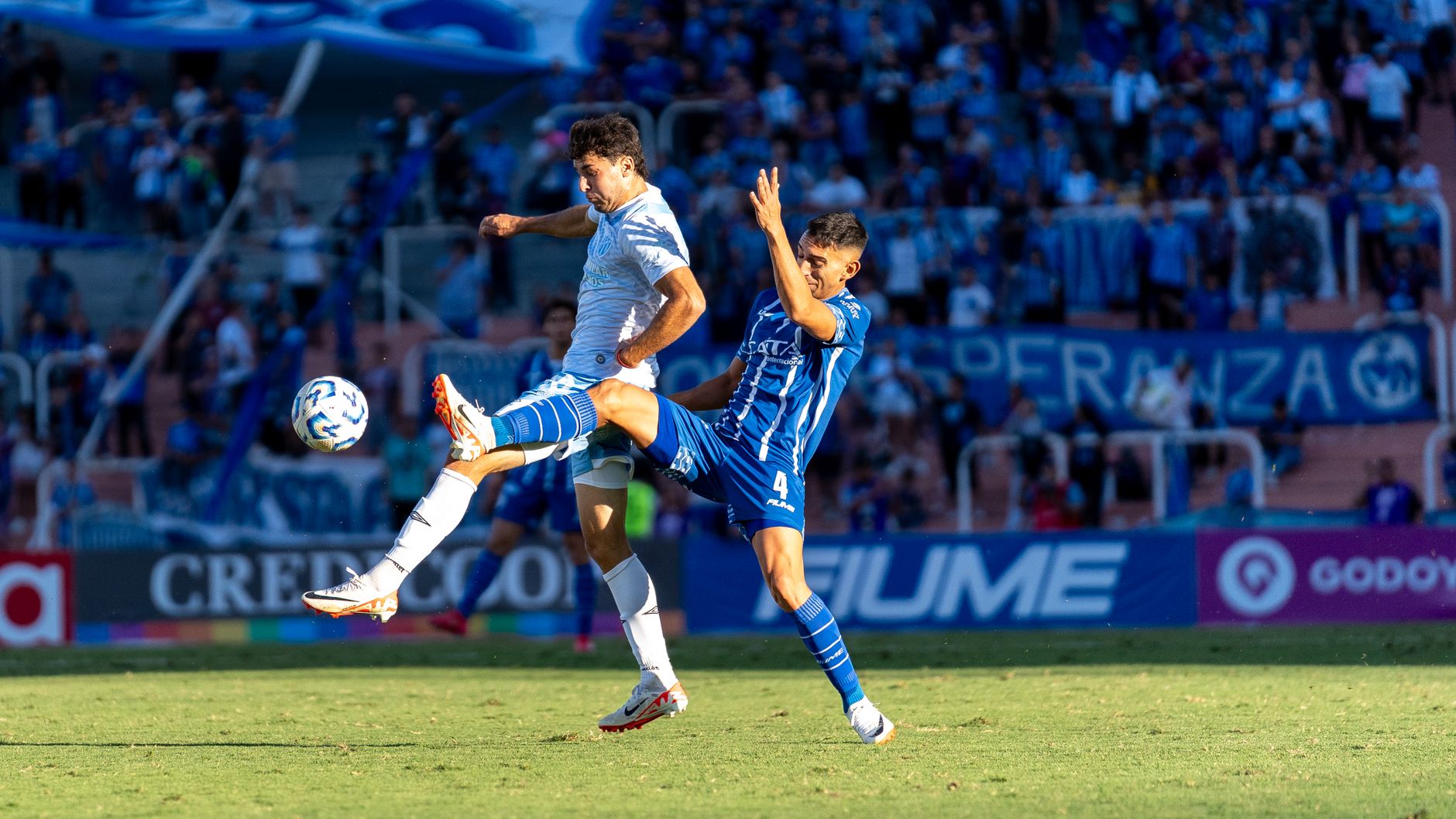
Photo by Franco Monsalvo on Pexels
Passing quality also depends on information before contact. In a small game, make a rule that every receiver must scan once before the ball arrives and name the next option aloud. A coach or teammate can stand behind the receiver and hold up one or two fingers; the player calls the number before controlling the ball. This adds a simple perception test without pretending a training cone has suddenly become Andrés Iniesta. A 2022 review in Frontiers in Sports and Active Living links representative practice environments with better transfer to competition, which supports adding opponents, time limits, and directional goals. Train clean technique first, but do not stay there forever.
Get practical ideas for reading matches and training smarter.
Round 2: How Do Dribbling, Agility, and 1v1 Skills Improve?
Dribbling improves when players combine close control with speed changes, irregular movement, and a defender’s reaction. Use regular cones for technique, random cones for adaptability, and a partner for decision-making. The key result is not completing a fancy move; it is keeping possession while gaining space or escaping pressure.
Start with a basic cone slalom using 6–8 cones spaced 1 metre apart. Complete four rounds with the right foot, four with the left, and four using alternating touches. Keep the ball within one step when moving slowly, then accelerate for the final 5 metres. Next, scatter the cones across a 12-by-12-metre area instead of lining them up like obedient little soldiers. Dribble to a called cone, perform an inside cut, outside cut, sole roll, or drag-back, and immediately accelerate toward another target. A partner should call the next cone late, forcing you to lift your head. Time six attempts and count lost touches; improvement means reducing errors while keeping the average time stable, not merely sprinting through the course and leaving the ball behind.
The one-on-one progression should move from predictable to chaotic. First, have a passive defender provide a direction without tackling. Then allow the defender to close space at half speed, and finally play live 1v1 in a 10-by-12-metre channel with a scoring gate at each end. The attacker earns a point for dribbling through a gate or protecting the ball for five seconds. Encourage a shoulder drop, change of pace, and exit touch rather than a museum collection of stepovers. Defenders should focus on body angle, patience, and delaying the attacker toward the weaker side. After 10 attempts, note how often the attacker actually creates separation. That number is more revealing than how impressive the move looked from three fields away.

Photo by DS stories on Pexels
Agility is not identical to ladder footwork. A ladder may improve rhythm, but football agility also requires braking, reacting, and choosing a direction. Set four coloured gates around a 10-metre square; a coach calls a colour or points after a random delay, and the player accelerates, brakes, and exits through the selected gate. Complete six sets of 20 seconds with 40 seconds of rest. For a specific information gain, test the first step separately: film from the side and count the time from the signal to the player’s first effective push, not the time to finish the entire route. A player who finishes quickly but takes three adjustment steps may need deceleration work, not more speed. See [Internal Link: advanced dribbling and 1v1 techniques] for progressions involving weaker-foot exits and contact pressure.
Round 3: What Improves Shooting, Defending, and Match Transfer?
Finishing improves through varied shot locations, realistic preceding actions, and clear targets, while defending improves through approach angle, balance, and delayed tackles. Both skills transfer better when drills include a decision, a time limit, or an opponent. Practise 25–40 shots and 8–12 defensive repetitions, then test those actions in small-sided games.
For shooting, mark three zones: central edge of the box, left channel, and right channel. Take 10 shots from each area after a different action: a first-time finish, a controlled touch, and a dribble past a passive defender. Use a goalkeeper when possible, but still divide the target into corners and central areas so “it went somewhere near the goal” does not count as analysis. Record shots on target, goals, contact quality, and whether the attempt used the preferred or weaker foot. Strike through the centre of the ball for a driven shot, keep the head steady, and place the non-kicking foot beside the ball. A useful four-week benchmark is to raise on-target attempts from 12 of 30 to 20 of 30, even if goals rise more slowly. Accuracy creates repeatable improvement; random power mostly creates stories about the one shot that nearly broke a fence.
For defenders, practise the close-down from 8–10 metres. Sprint toward the attacker, slow down over the final 2 metres, stay side-on, and block the direct route to goal or the strongest foot. The attacker then chooses whether to pass, dribble, or turn. The defender earns success by delaying the action for three seconds, forcing a backwards pass, or winning possession safely; a reckless lunge is not a defensive masterclass because your teammate applauded it once. Add a recovery run in the next progression, beginning 3 metres behind the attacker. This trains the awkward decision between pressing immediately and protecting the central lane. [Internal Link: football defending positioning guide] is useful for players who confuse aggression with running directly at everything that moves.
Want to connect these drills with real tournament tactics?
Small-sided games are where technique stops receiving special treatment. Play 3v3 or 4v4 on a 25-by-20-metre pitch, with four-minute blocks and two-minute recovery periods. Add rules that create the desired behaviour: a goal counts double after a third-player run, every player must touch the ball before scoring, or a team gets a point for five consecutive passes. These constraints expose whether your training survives pressure, fatigue, and limited time. Track three actions per block: clean first touches, forward passes, and successful defensive delays. My contrarian view is that one well-designed 4v4 block can teach more useful football than 20 minutes of unopposed stepovers, because the player must perceive, decide, and execute in the same sequence demanded by a match. That is not glamorous, but neither is the scoreboard.

Photo by ANH LÊ on Pexels
Recovery is part of skill development because tired legs change touch quality and decision speed. Leave at least 24 hours between demanding lower-body sessions, sleep 7–9 hours when possible, and use a lighter technical session after intense matches. Stop a drill if pain changes your running pattern; soreness is common, sharp pain is not a badge of commitment. The World Health Organization recommends regular physical activity while emphasising gradual progression, and that principle applies to football workloads. A practical weekly structure is technical work Monday, small-sided pressure Wednesday, finishing and agility Friday, and a match or controlled game on the weekend. Log session duration, perceived exertion from 1–10, and next-day soreness. If effort stays above 8 for three sessions and performance drops, reduce volume by 20–30% instead of pretending your body is a poorly maintained robot.
The Final Score & Who Should Pick What
The best football training plan matches the player’s weakness, available equipment, and position, then adds pressure gradually. Beginners should prioritise first touch, passing, and both-foot control; attackers need finishing and 1v1 exits; midfielders need scanning and directional receiving; defenders need approach angles, recovery runs, and safe distribution. Progress should be judged through repeatable measures such as 100-pass accuracy, shots on target, lost touches, and successful actions in 4v4 games.
| Player profile | Priority drills | Weekly emphasis |
|---|---|---|
| Beginner | Wall passing, first touch, simple dribbling | 3 sessions of 30 minutes |
| Winger | Random cones, 1v1 channel, finishing | Speed changes and weak-foot exits |
| Central midfielder | Scanning, directional control, small-sided games | Information before receiving |
| Striker | Three-zone finishing, timed movement | 30–40 varied shots |
| Full-back | Close-downs, recovery runs, passing | Angle and transition decisions |
| Centre-back | Jockeying, aerial control, outlet passing | Delay, cover, and composure |
| Returning player | Low-volume technique, mobility, controlled games | Gradual workload increase |
Use a four-week cycle. During week one, learn the movement slowly and record a baseline. During week two, increase speed or reduce the time available. During week three, add a passive or active defender. During week four, test the skill in 3v3 or 4v4 and compare the results with week one. This approach reveals a detail most generic football articles conveniently ignore: a player may improve in a cone drill while getting worse in matches because the drill never trained perception. If your isolated score rises but your game actions do not, change the drill conditions rather than congratulating the stopwatch.
Match Daily can complement this process by helping fans study FIFA World Cup teams, player roles, tactical shapes, and tournament patterns. Watching how Jude Bellingham receives between lines, how Virgil van Dijk manages defensive distance, or how a wide player creates a 2v1 gives your practice a tactical reference, although copying a professional’s movement without their context is how weekend footballers end up sprinting into traffic. Watch one player for 10 minutes, pause before key actions, and predict the next pass or movement. Then recreate one pattern in a small-sided drill. [Internal Link: FIFA World Cup 2026 team tactics] can support that observation habit with more context around tournament football.
The final score is simple: train the weakness, measure the action, add pressure, and recover properly. Ten drills do not magically create a complete player, and five hours of daily training is unrealistic for most people, including the person who currently struggles to arrive at practice on time. Three focused sessions of 30–60 minutes can still produce meaningful progress when the work is specific and consistent. Choose two technical drills, one pressure drill, and one match-transfer game for the next seven days, then record what happened instead of trusting your memory.
Ready to build a more disciplined football routine?
Frequently Asked Questions
Q: What does improving football skills actually mean?
A: Improving football skills means becoming more accurate, quicker, and more reliable when performing technical actions under pressure. The main areas are first touch, passing, dribbling, shooting, defending, agility, scanning, and decision-making. A useful measure is not just how a player looks during a drill, but whether clean touches, accurate passes, and successful decisions increase in small-sided games. Track specific numbers, such as 85 accurate passes from 100 attempts or 20 shots on target from 30, so progress is based on evidence rather than the classic “I felt sharp today” report.
Q: How can I improve football skills at home?
A: You can improve football skills at home with a ball, a wall, five to eight cones, and 30 minutes of focused practice. Use wall passing, sole rolls, inside-outside touches, directional first touches, and weak-foot control in a safe space. Begin 3 metres from the wall, progress to 6 metres, and record clean contacts in 60-second sets. If space is limited, prioritise ball mastery and receiving technique, then practise scanning by turning your head before each rebound. Do not fire a ball at a neighbour’s window and call the insurance claim “match realism.”
Q: What is the difference between cone drills and 1v1 football training?
A: Cone drills develop predictable footwork and ball control, while 1v1 training adds an opponent, pressure, timing, and decision-making. Cones are useful during the first stage because they let players repeat cuts, changes of direction, and weaker-foot touches safely. However, a defender forces the attacker to choose when to accelerate, protect the ball, or pass. Use regular cones for technique, random cones for adaptation, and live 1v1 channels for transfer. A complete session should normally include at least one exercise involving a reacting opponent.
Q: How many times per week should I train football skills?
A: Most recreational players can improve with three to five football sessions per week, provided demanding sessions are separated by adequate recovery. Beginners should start with three sessions of 30–45 minutes, while experienced players may use four or five sessions lasting 45–60 minutes. Avoid scheduling intense agility, shooting, and match play on consecutive days if your legs remain sore. A simple plan is technical work Monday, pressure practice Wednesday, finishing Friday, and a match on Saturday or Sunday. Increase volume gradually rather than copying Lionel Messi’s reported five-hour training routine.
Q: Why are my football skills not improving?
A: Football skills often stall because practice is inconsistent, too easy, poorly measured, or disconnected from match situations. Players may complete hundreds of unopposed touches but never practise scanning, receiving under pressure, or making a decision within two seconds. Record baseline results, add one difficulty at a time, and test the skill in 3v3 or 4v4 games after two or three weeks. Also check recovery, footwear, surface, and pain; a sharp injury or repeated fatigue can reduce quality even when motivation remains high.
Q: How long does it take to improve football skills?
A: Noticeable technical improvement can appear within four to eight weeks when a player trains three or four times weekly and measures the same actions consistently. First touch and passing may improve sooner than match decision-making because decision-making depends on opponents, space, and fatigue. Use a four-week cycle: baseline in week one, increased speed in week two, pressure in week three, and a small-sided test in week four. Compare accurate passes, lost touches, shots on target, and successful 1v1 exits rather than relying only on confidence.
Q: Do I need expensive equipment to improve football skills?
A: You do not need expensive equipment; a football, wall, cones, timer, and phone camera are enough for most effective drills. Cones can be replaced with shoes or water bottles, although stable markers are safer and easier to see. A wall provides hundreds of repeatable passes, while a teammate creates realistic pressure that equipment cannot reproduce. Spend money first on safe playing conditions and suitable footwear, not miracle gadgets promising professional technique in seven days. The expensive shortcut remains a shortcut, unfortunately, and football has a habit of exposing it.
Thank you for reading.
Match Daily · Editorial Archive