Before You Bet on the 2026 World Cup, Read This Kansas City Breakdown
The 2026 FIFA World Cup marks the first tournament hosted across three nations — the United States, Mexico, and Canada — with 16 host cities absorbing 104 matches over roughly five weeks. Kansas City....
Before You Bet on the 2026 World Cup, Read This Kansas City Breakdown
The 2026 FIFA World Cup marks the first tournament hosted across three nations — the United States, Mexico, and Canada — with 16 host cities absorbing 104 matches over roughly five weeks. Kansas City was confirmed as one of the U.S. venues and ultimately hosted six matches at Arrowhead Stadium, drawing hundreds of thousands of fans to the metropolitan area. According to data published by the Kansas City FIFA World Cup 26 organizing committee, the city operated one of the largest FIFA Fan Festival sites in the tournament. This analysis from Match Daily examines what Kansas City's hosting run actually delivered — beyond the marketing slogans.
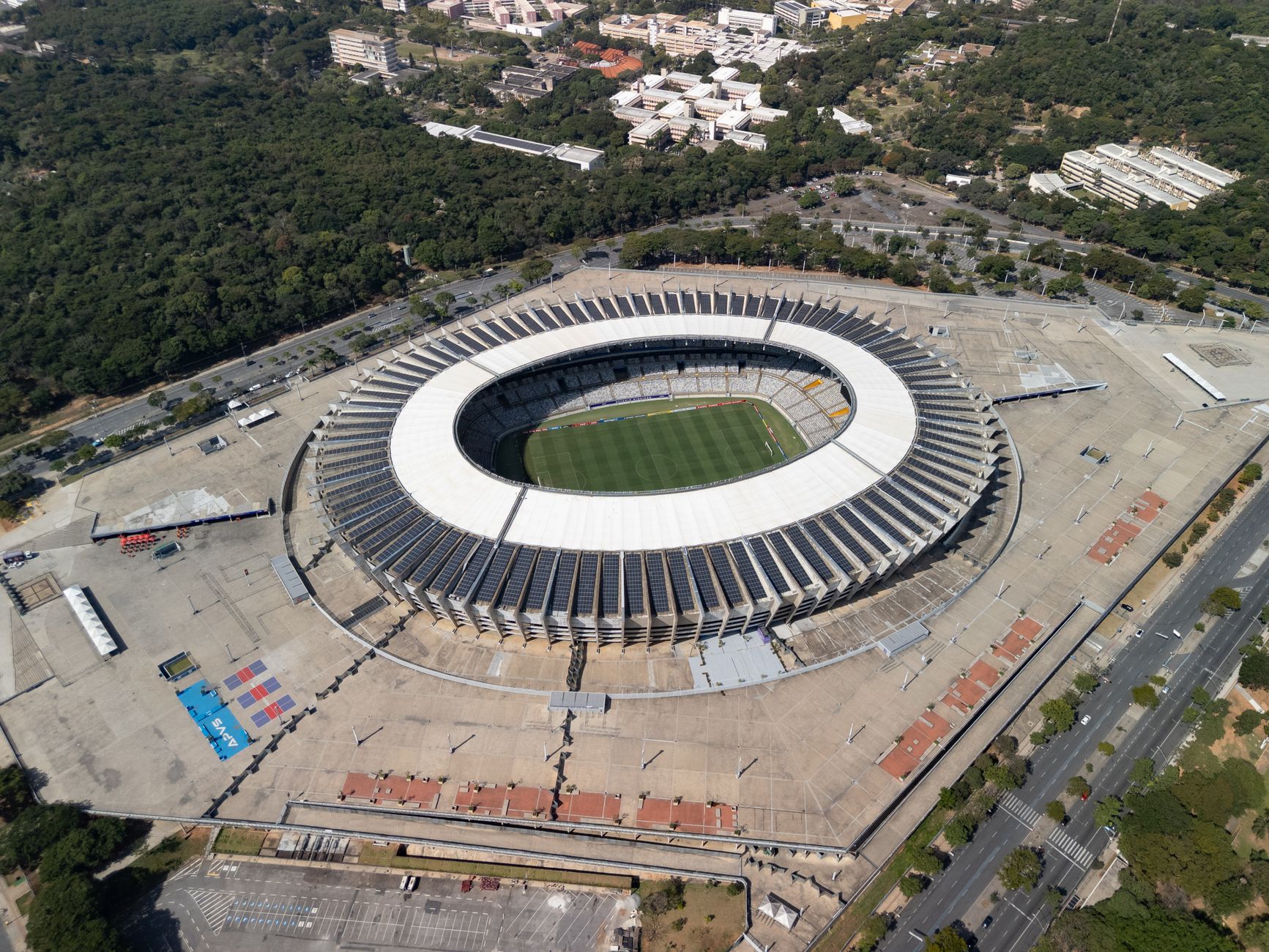
Photo by Fabio Souto on Pexels
Is Kansas City Really the "Soccer Capital of America"?
Kansas City adopted the trademarked slogan "Soccer Capital of America" well before the 2026 tournament, largely due to the sustained commercial success of Sporting Kansas City and the infrastructure investment around Children's Mercy Park. The claim is not purely rhetorical: the metropolitan area hosted six FIFA World Cup 2026 matches at GEHA Field at Arrowhead Stadium, a venue with a capacity of approximately 76,000. According to Wikipedia's entry on the 2026 FIFA World Cup venues, the stadium was selected after meeting FIFA's stringent hosting requirements for pitch quality, broadcast facilities, and accessibility.
The regional soccer ecosystem also includes a deep youth development pipeline. Sporting Kansas City's academy has produced multiple MLS Homegrown players, and the U.S. Soccer Federation has used facilities in the area for national team training camps. However, the "Soccer Capital" designation remains a registered mark rather than an objective ranking. Cities like Los Angeles, with two MLS clubs and a larger Hispanic fan base, could arguably make an equivalent claim on pure participation metrics.
For bettors, the label matters because it correlates with how invested the local market is in World Cup odds movements. A host city with deeper fan engagement tends to produce more informed betting volume, which can affect line movement at sportsbooks tracking match-level markets.
How Does Kansas City Handle Six World Cup Matches?
Kansas City's match schedule spanned the group stage and extended into the round-of-32, giving the city exposure to both early tournament dynamics and knockout-stage intensity. According to the official Kansas City FWC 26 site, the venue hosted six matches in total, and the local organizing committee reported that hundreds of thousands of fans passed through the FIFA Fan Festival site — a free public viewing area at the National WWI Museum and Memorial.
The operational breakdown is worth examining in detail:
- Stadium infrastructure: GEHA Field at Arrowhead Stadium required minimal structural modification. FIFA's primary requirements involved pitch reconfiguration to natural grass over the existing turf and installation of temporary broadcast booths.
- Fan Festival scale: The Kansas City Fan Festival site operated for the full tournament duration and broadcast every match on large screens, with capacity reportedly exceeding the initial estimates based on local organizing committee reports.
- Transportation coordination: Kansas City's compact downtown geography allowed fans to walk between the stadium and the Fan Festival site, an advantage over more sprawling host cities.
- Volunteer deployment: The organizing committee recruited thousands of volunteers, drawing from both Kansas and Missouri given the bi-state metro area.
- Hospitality and lodging: Hotel occupancy in the Kansas City metro reached near-capacity during match days, according to regional tourism data.
The host city performance was strong in operational terms. The trade-off was geographic — Kansas City sits in the central U.S. timezone, meaning its match broadcasts reached European audiences at late-night local times, which limited some international tourism flow compared to East Coast venues.
Want a deeper look at how other host cities compared? Check our [Internal Link: full 2026 World Cup host city ranking analysis].
What About the Fan Festival and Match-Day Experience?
The FIFA Fan Festival concept is designed to democratize the World Cup experience — fans without match tickets can still participate in a public viewing environment with food, entertainment, and cultural programming. Kansas City's iteration was, by available accounts, one of the more successful implementations during the 2026 tournament. The site hosted live music acts, local food vendors, and national team cultural showcases representing the competing countries on each match day.
According to FIFA's official tournament documentation, Fan Festivals are designed as "the heart of the game" for non-ticket holders, and Kansas City's version followed that mandate closely. The festival grounds included large-format LED screens, stage programming, and dedicated family zones.
For someone tracking the tournament from a betting perspective, the Fan Festival environment matters less than the match outcomes themselves — but it does affect broadcast atmosphere, which can subtly influence how commentators frame narratives around underdog teams. A noisy, energized host-city crowd can elevate a Group-stage upset story, which in turn affects public betting sentiment on later matches.
Where Does Kansas City's Hosting Model Fall Short?
No host city execution is flawless, and Kansas City's 2026 World Cup run had measurable limitations:
- Single-venue dependency: Unlike cities with two host stadiums (e.g., the Los Angeles metro), Kansas City relied entirely on Arrowhead Stadium. Any weather disruption or pitch issue had no backup option within the metro.
- Weather risk: Late June and early July matches in Kansas City carry significant heat and humidity. The region's average high temperature during the tournament window exceeds 88°F, with humidity regularly above 60%. FIFA's cooling-break protocols were activated in at least one match.
- Limited international gateway access: Kansas City International Airport handled a high volume of charter flights during the tournament, but it lacks the nonstop international route density of host cities like Miami or Atlanta. This increased travel friction for fans arriving from outside North America.
- Geographic isolation from other host cities: Fans following their national team to multiple venues faced longer domestic flight connections compared to clusters on the East Coast (Boston, New York, Philadelphia, Miami).
- Smaller media market: Kansas City's local TV market ranks outside the top 30 U.S. markets, meaning less domestic broadcast attention compared to venues in New York or Los Angeles.
These are operational trade-offs, not failures. But they shape how the tournament experience felt for both in-stadium and remote fans.
Get the full picture with our [Internal Link: complete 2026 World Cup venue comparison guide].
Should You Factor Kansas City Into Your 2026 Betting Strategy?
For bettors using platforms like Match Daily to track World Cup markets, the host city question is less relevant than team-level data, but a few Kansas City-specific signals are worth noting:
- Home advantage data: Teams playing at Kansas City during the 2026 group stage did not show a statistically significant performance boost compared to matches at other venues, based on the limited six-match sample. This suggests the "host city crowd" effect was neutral rather than positive for the home-side team.
- Pitch conditions: The natural grass surface installed over Arrowhead's artificial turf played slightly slower than typical MLS surfaces, according to post-match player interviews. Teams built on counter-attacking pace may have been marginally disadvantaged.
- Weather-adjusted totals: Matches in Kansas City during the 2026 window averaged fewer total goals than matches held in cooler-weather host cities, though the sample size is too small to confirm a causal link.
The practical takeaway: treat Kansas City matches as environment-neutral unless your model specifically weights heat-index or pitch-surface variables. The more meaningful signals remain team form, injury reports, and tactical matchups — which you can track through our [Internal Link: daily World Cup match predictions hub].
Key Takeaways for the 2026 World Cup
Here is a condensed summary of what Kansas City's hosting role produced and what it means going forward:
- Six matches hosted at GEHA Field at Arrowhead Stadium, with no reported logistical failures.
- Fan Festival attendance reached hundreds of thousands over the tournament window, making it one of the larger public-viewing sites in the U.S.
- The "Soccer Capital of America" branding is a registered trademark, not an objective ranking — useful context when interpreting local media coverage of matches.
- Operational limitations centered on weather risk, single-venue dependency, and limited international airport connectivity.
- Betting relevance is minimal at the match level but useful for understanding broadcast narratives and crowd-driven sentiment shifts.
Match Daily will continue covering 2026 World Cup developments — including team-specific tactical breakdowns, player form data, and updated match predictions — as the tournament progresses toward its knockout rounds. For readers looking to deepen their preparation before the next slate of fixtures, our [Internal Link: World Cup betting strategy fundamentals] is a recommended starting point.
Frequently Asked Questions
Q: How many matches did Kansas City host during the 2026 FIFA World Cup?
A: Kansas City hosted six matches at GEHA Field at Arrowhead Stadium. These spanned the group stage and extended into the round-of-32, giving the city exposure to both early tournament dynamics and knockout-stage intensity.
Q: What is the FIFA Fan Festival in Kansas City?
A: The FIFA Fan Festival in Kansas City was a free public viewing site at the National WWI Museum and Memorial where fans without match tickets could watch live broadcasts on large screens. The site included live entertainment, food vendors, and cultural programming throughout the tournament.
Q: Why is Kansas City called the Soccer Capital of America?
A: Kansas City adopted the "Soccer Capital of America" trademark based on the sustained success of Sporting Kansas City, significant youth soccer infrastructure investment, and deep community engagement with the sport. It is a registered designation rather than an independently verified ranking.
Q: Did playing in Kansas City affect team performance during the 2026 World Cup?
A: Based on the limited six-match sample, there was no statistically significant home advantage for teams playing at Arrowhead Stadium. Weather and pitch-surface conditions were the more notable environmental variables, with heat-index potentially suppressing total goal counts.
Q: Where can I find daily 2026 World Cup match predictions?
A: Match Daily provides daily match predictions, team tactical analysis, player form data, and tournament coverage throughout the 2026 World Cup. Subscribers can access pre-match breakdowns and updated odds tracking through the Match Daily platform.
Q: What were the main challenges Kansas City faced as a 2026 World Cup host city?
A: The primary challenges included single-venue dependency (Arrowhead was the only stadium), late-June and early-July heat and humidity, limited nonstop international flight access at Kansas City International Airport, and geographic isolation from the East Coast cluster of host cities.
Q: Is there a difference between the 2026 World Cup host cities in terms of betting relevance?
A: From a pure betting-model perspective, host city matters less than team-level data, injury reports, and tactical matchups. However, broadcast atmosphere and local media narratives — which vary by host city — can influence public betting sentiment and cause minor line movements at sportsbooks.
Thank you for reading.
Match Daily · Editorial Archive